
The Power of Ritual: How Small Sacred Acts Transform Your Life
Why We Need Ritual
We live in a culture of routine. The alarm rings, coffee brews, emails ping, tasks pile up. We grind through our days, ticking boxes and chasing deadlines.
But routine is not the same as ritual.
Routine is unconscious. It runs on autopilot. Ritual, on the other hand, is intentional. It says: this moment matters.
Ritual restores meaning to the everyday. It brings the sacred back into the ordinary. Where routine drains, ritual nourishes.
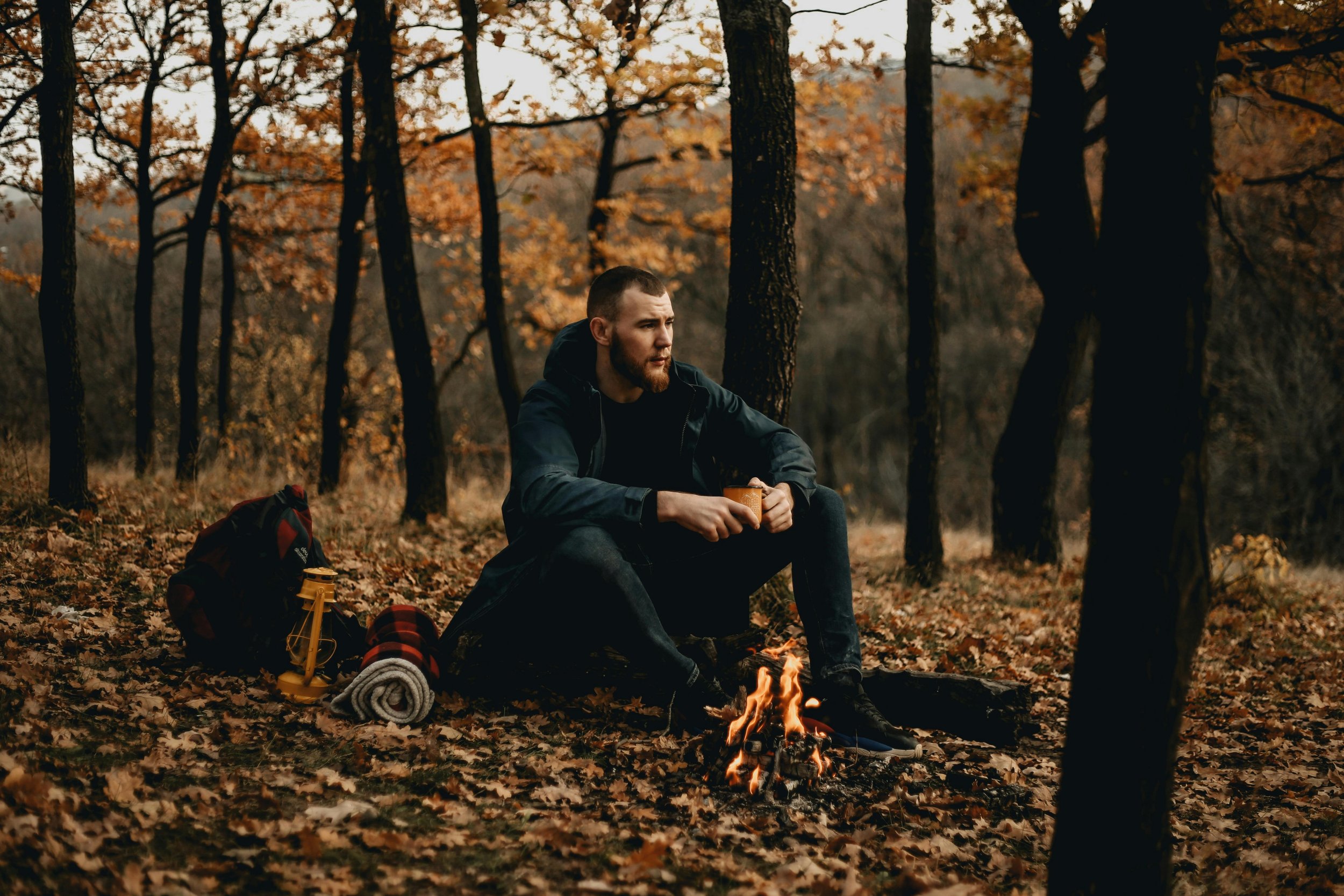
Humans have always lived by ritual. Our ancestors lit fires not only for warmth but as ceremony. They greeted the sunrise. They marked transitions with shared acts of meaning.
Today, in a world where so much feels fast and disposable, we are starving for depth. And ritual is one of the simplest, most powerful ways to rewild our lives.
Ritual as Rewilding
When we talk about rewilding the self, we usually think of time in the forest, barefoot walks, or wilderness skills. But rewilding is also about how we live inside our daily lives.
Ritual reawakens presence. It turns ordinary acts—drinking tea, lighting a candle, breathing deeply—into doorways back to ourselves.
It doesn’t require special knowledge. It doesn’t demand religion. Ritual is available to everyone. All it takes is intention.
The Difference Between Routine and Ritual
Routine: Brush your teeth quickly, half-asleep, while thinking of tomorrow’s meeting.
Ritual: Brush your teeth slowly, with presence, thanking your body for carrying you another day.
Routine: Mindlessly scroll while eating.
Ritual: Pause before eating, take three breaths, notice the colours on your plate, taste each bite.
Routine: Collapse into bed, exhausted.
Ritual: Write down one thing you’re grateful for, stretch, breathe, then rest.
The action might look the same, but the meaning—and the energy—changes everything.
Everyday Rituals to Awaken the Wild Self
Here are a few simple practices you can begin today:
1. Morning Breath Ritual
Before screens or coffee, sit up in bed. Place a hand on your chest. Take five deep breaths. With each inhale, welcome the new day. With each exhale, release yesterday. Begin awake.
2. Water Ritual
Turn a shower into ceremony. As the water runs, imagine it washing away what no longer serves—stress, fear, tension. Step out lighter.
3. Fire Ritual
Once a week, light a candle or small fire. Write something you’re ready to release on a scrap of paper—anger, regret, old beliefs—and burn it. Watch the flames carry it away.
4. Nature Ritual
Take a silent walk. Leave your phone behind. Listen to birdsong, notice textures, smell the earth. Let the forest become your cathedral.
5. Gratitude Ritual
At day’s end, write down three things you’re grateful for. Speak them aloud. Anchor the day in appreciation.
None of these require hours of time. They require intention. And over time, intention rewires the way you live.
Why Ritual Works
Rituals shift our state of being. They take us out of autopilot and drop us into presence.
When you perform a ritual, your brain releases dopamine and oxytocin—chemicals that signal meaning, reward, and connection. You feel calmer, more focused, more grounded.
Rituals also mark transitions. They tell your nervous system: this is important. Morning becomes sacred. Eating becomes gratitude. Rest becomes renewal.
Over time, these small acts create rhythm. Rhythm becomes a compass. And the compass leads you back to yourself.
Ritual and the Wild Self
The wild self is not a stranger waiting in the woods. It is the part of you that remembers.
Ritual awakens the body—breathing, moving, connecting to the senses.
Ritual awakens the mind—slowing thought, opening clarity.
Ritual awakens the spirit—connecting you to meaning, ancestry, and the unseen.
Ritual is not about escaping modern life—it’s about reclaiming it. It’s how you live rooted in wildness even while working, parenting, and navigating the everyday.
Creating Your Own Rituals
Don’t get caught up in doing rituals “the right way.” There are no rules. A ritual is simply an act you give meaning to.
Choose something simple.
Attach intention.
Repeat it regularly.
Examples:
A daily cup of tea where you pause and breathe before drinking.
A weekly walk at sunrise.
A monthly journal session by candlelight.
Over time, these become anchors. They create structure in the chaos of life. They remind you: you are more than your to-do list.
Rituals for Times of Transition
Rituals are especially powerful during life’s thresholds—endings, beginnings, grief, celebration.
Planting a tree for someone you’ve lost.
Writing a letter to mark a new chapter.
Holding a fire ceremony at solstice or equinox.
These moments honour change. They prevent transitions from slipping past unnoticed. They remind us that life is not mechanical—it is sacred.
Final Words: Begin With One
You don’t need to overhaul your life. You don’t need a library of rituals.
You need one.
One small sacred act that you repeat with intention. One doorway back to presence. One way of saying: this life is not routine—it is a gift.
Ritual doesn’t complicate life. It simplifies it. It roots you. It rewilds you.
Begin today. Light a candle. Take a breath. Speak gratitude.
And feel your wild self stir again.
